Table of Contents
Growing indoors? Mastering the art of setting up a grow tent ventilation system is one of the most important things you should learn.
Many growers, especially beginners, often focus on other things such as lights and nutrients, but they overlook one of the most important aspects of a successful indoor garden: ventilation.
I think people need to be educated to the fact that marijuana is not a drug. Marijuana is an herb and a flower.
Willie Nelson
In a real-world scenario, ventilation is what keeps your entire system in balance.
A good ventilation system should:
- Regulate temperature
- Reduce humidity
- Provide fresh air
- Prevent mold
- Improve plant structure
Why It Matters to Learn How to Set Up Grow Tent Ventilation
Cannabis plants need fresh air, and they need it constantly.
Without a good ventilation system, you’ll be facing:
❌ Heat buildups
❌ Increased humidity
❌ Increased mold risks
❌ Slowed growth
Knowing how to set up a good ventilation system in your grow tent is crucial to ensuring your plants receive a stable and healthy environment to grow in.
Equipment You’ll Need to Set Up Grow Tent Ventilation
Before you begin, make sure you have:
- Inline fan
- Carbon filter
- Air ducting
- Oscillating fan
- Clamps or duct tape
These are the basic parts of a ventilation system, and you’ll need them to get started.
Step-by-Step Guide to Setting Up Grow Tent Ventilation
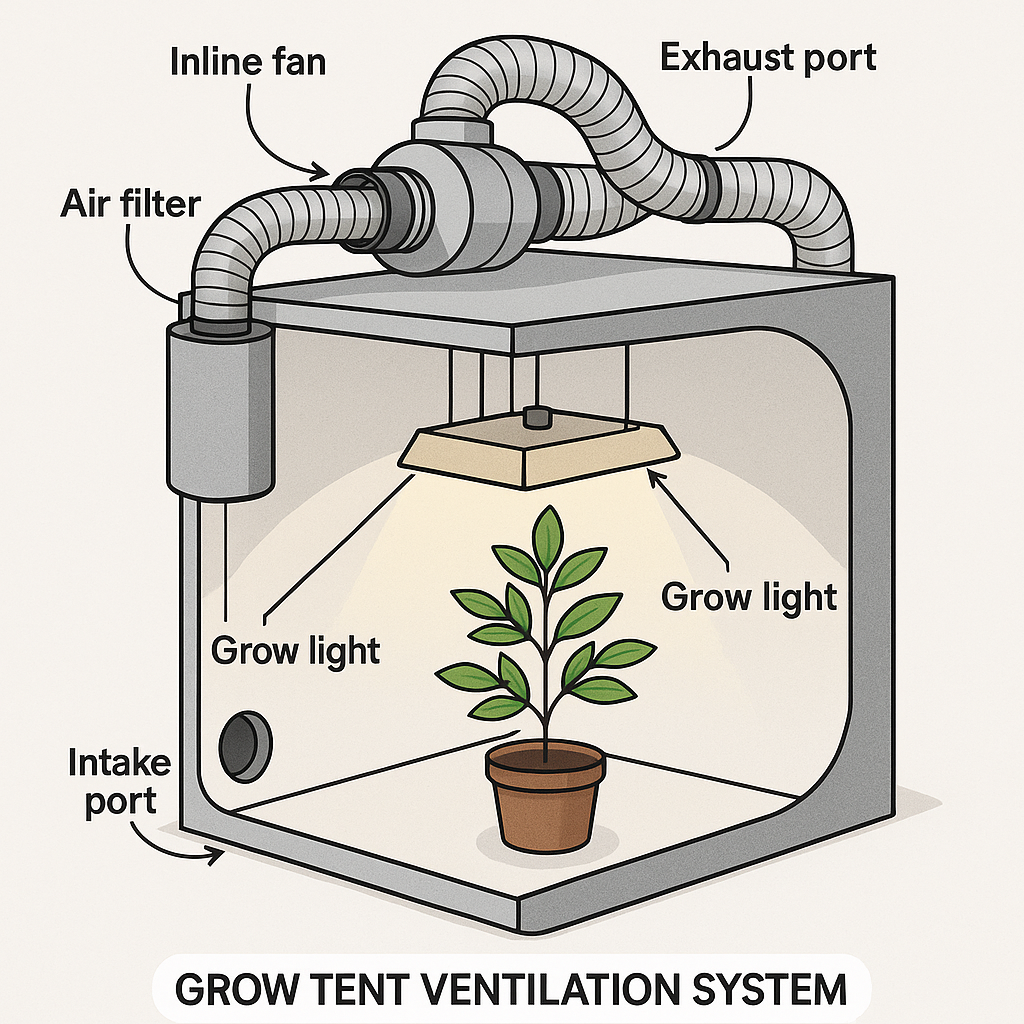
Step 1: Setting Up the Carbon Filter
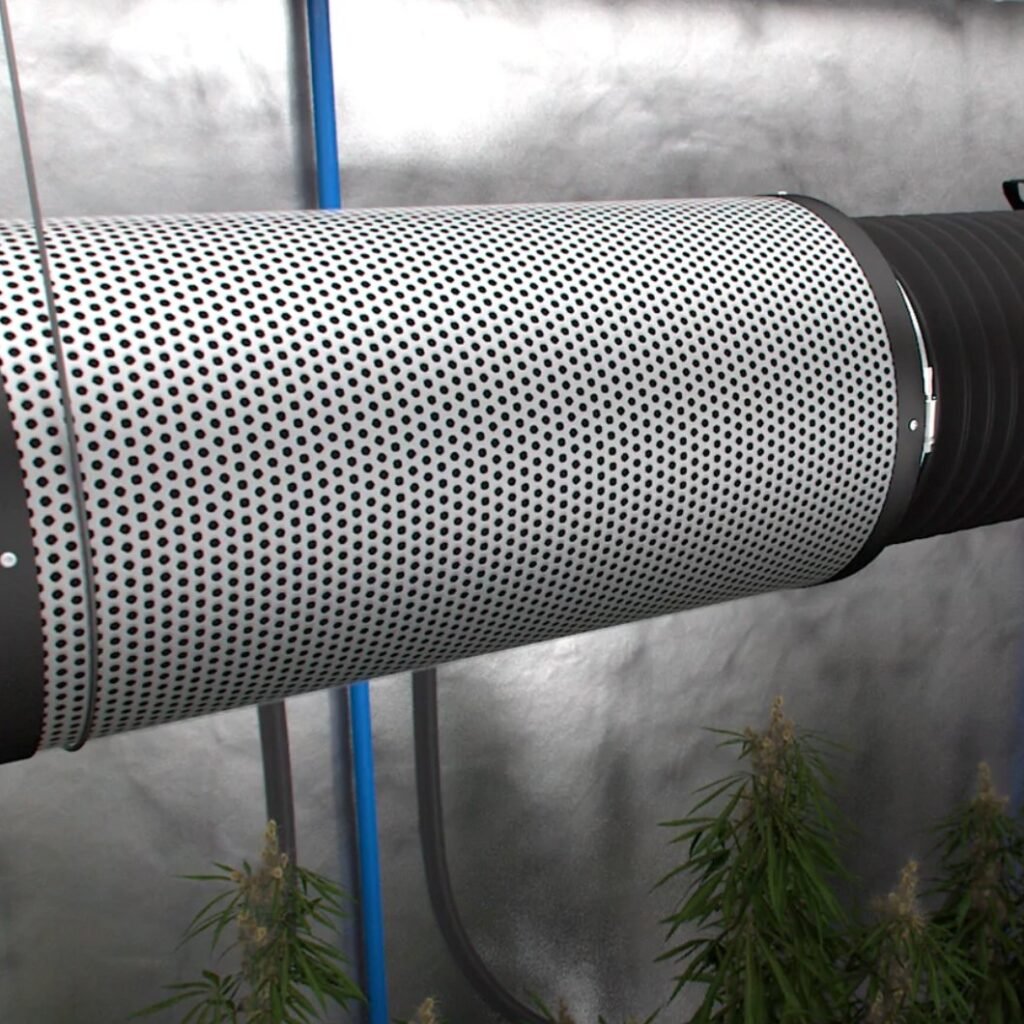
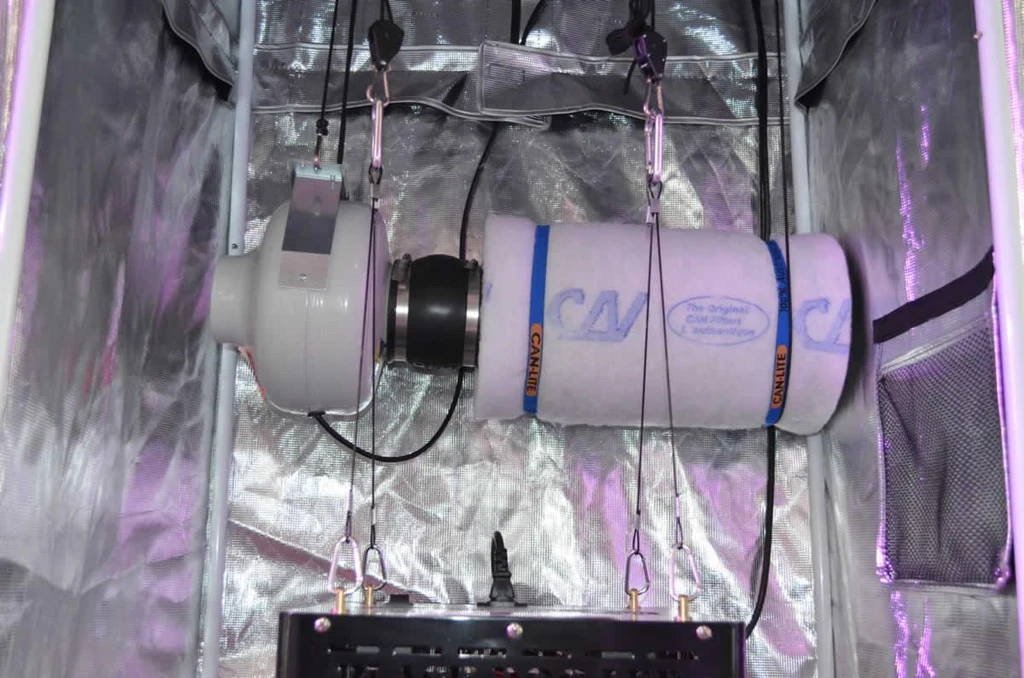
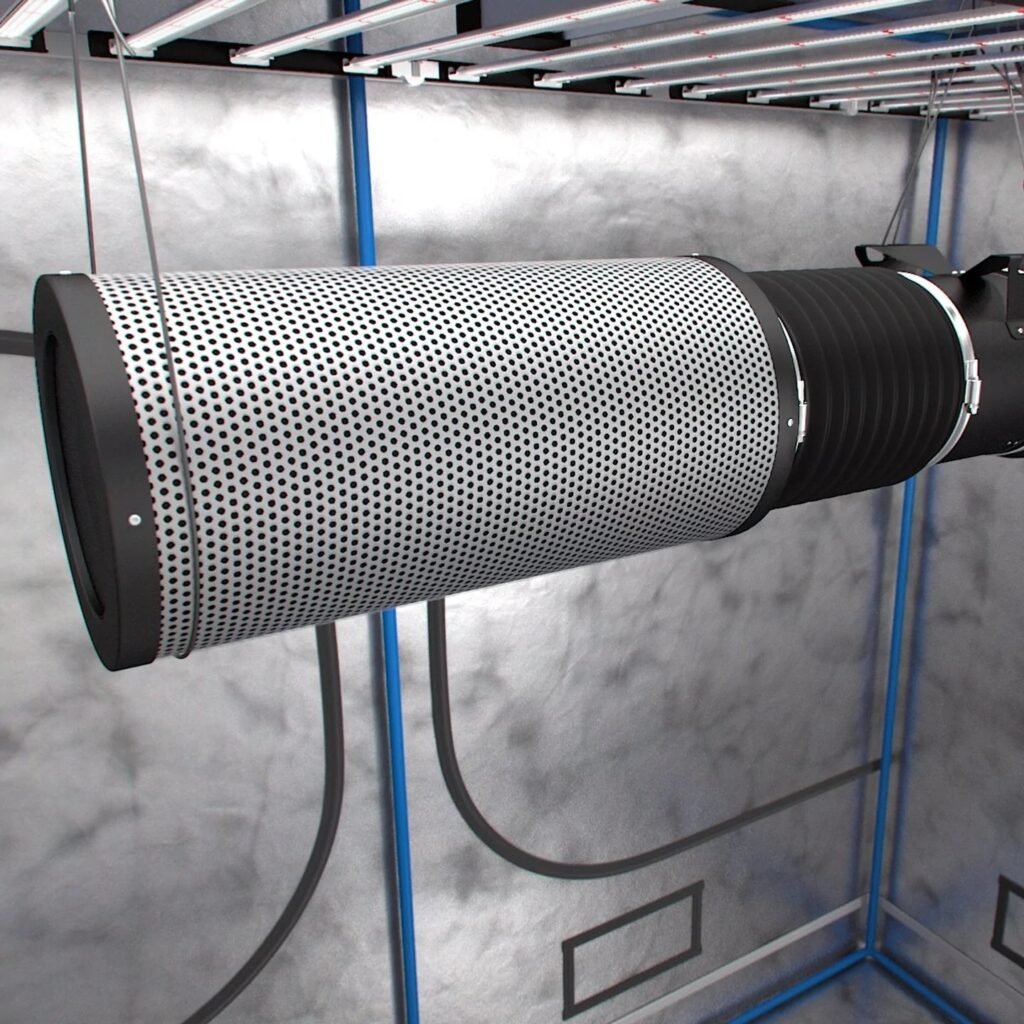
You should set up your carbon filter at the top of your tent.
Hot air rises, and this is where hot air goes, so this is a great spot for a carbon filter.
Step 2: Setting Up the Inline Fan
Connect the inline fan to the carbon filter.
Verify that the fan is blowing in the correct direction.
Step 3: Connect the Air Duct
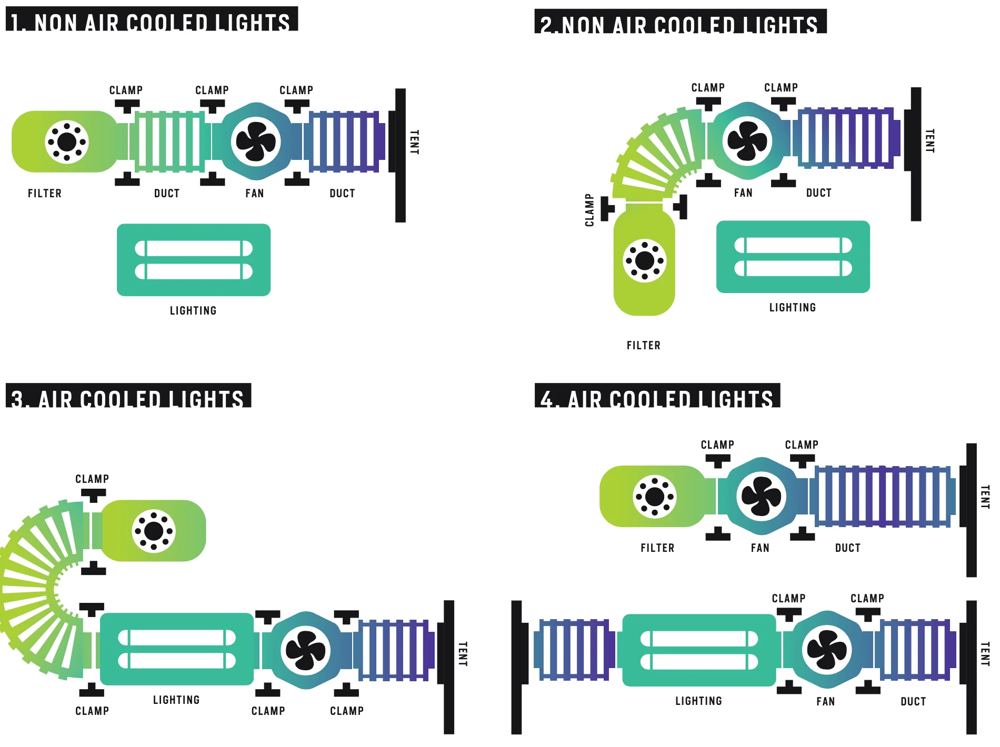
Connect the ducting to the inline fan and direct it outside the tent.
This works efficiently to remove hot air.
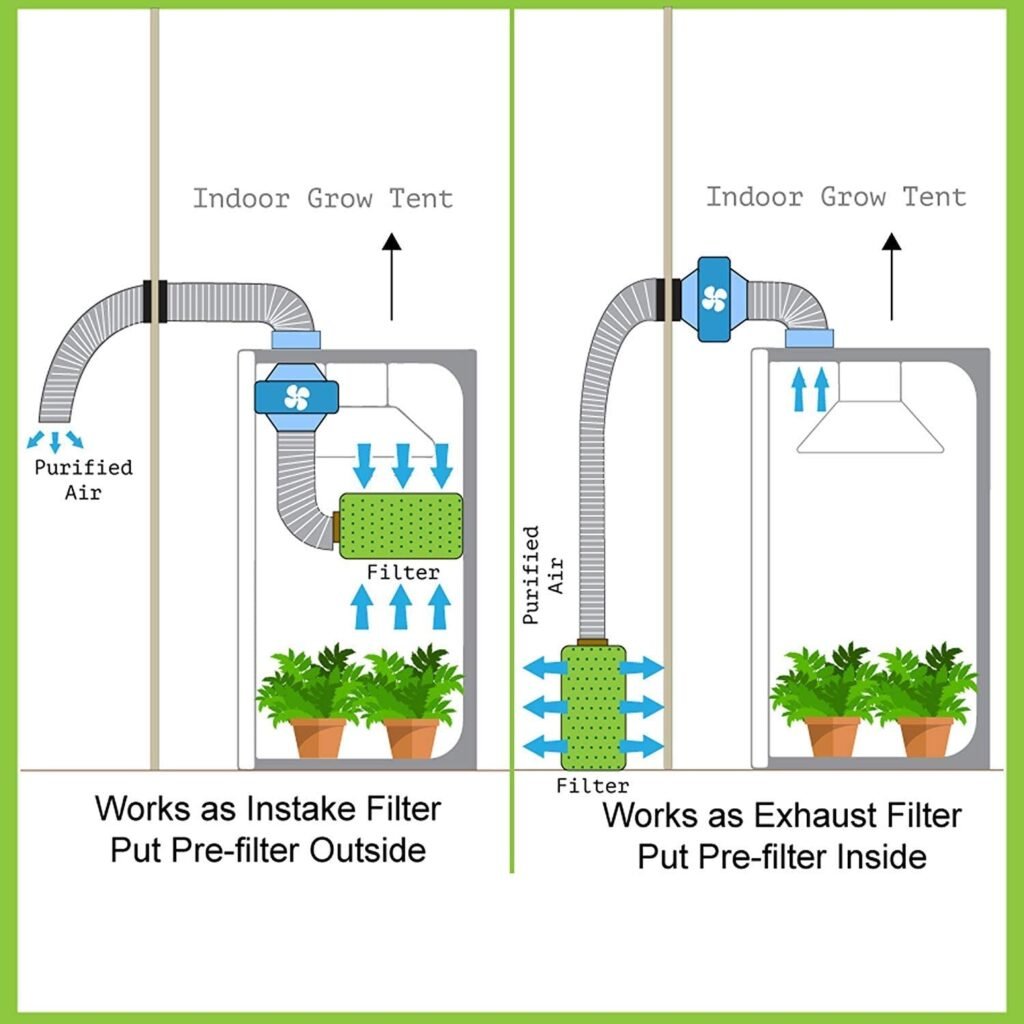
Step 4: Set Up Exhaust Direction
Verify that the hot air is directed out of the room or into a well-ventilated area.
Never direct hot air back into the tent.
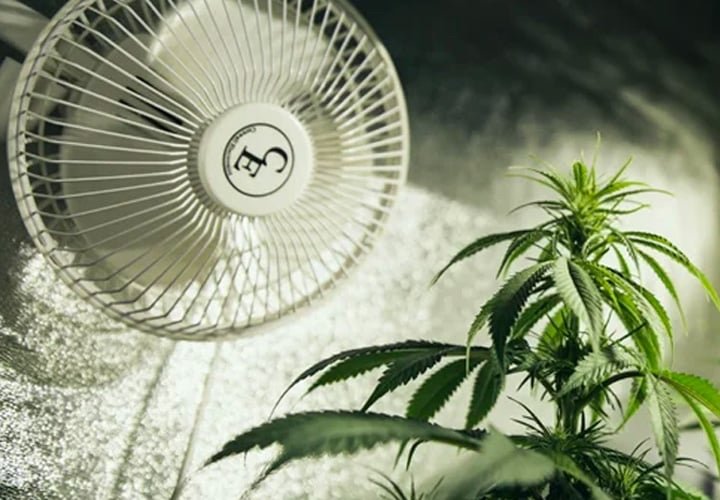
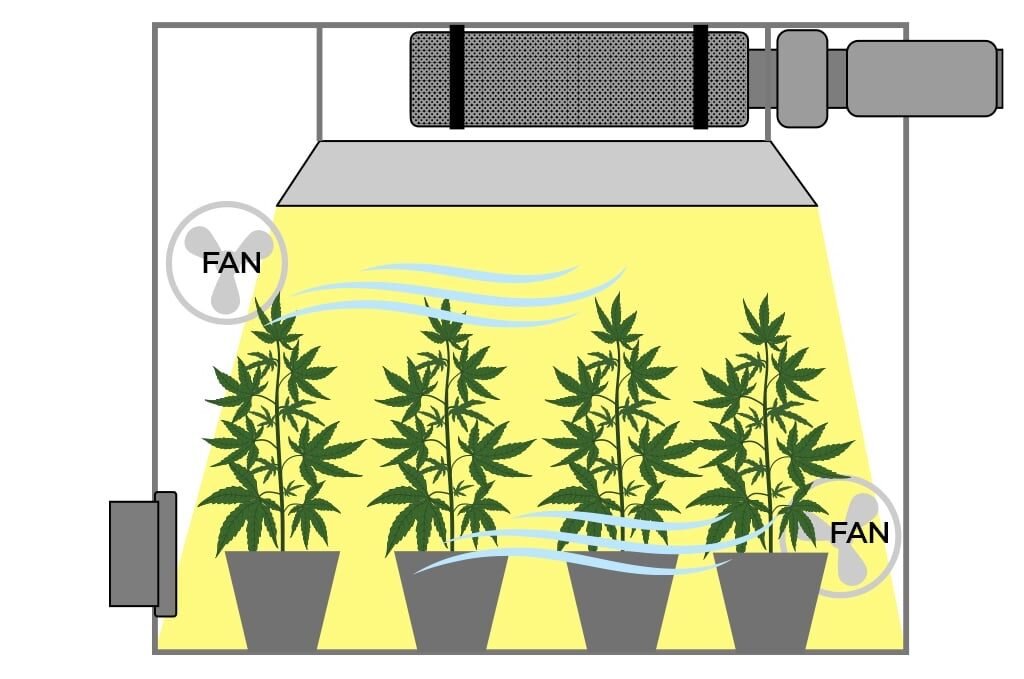
Step 5: Add an Oscillating Fan
Add a small fan inside the tent.
This works for:
Strengthening the stems
Hot spots
Overall ventilation
Step 6: Adjust Airflow Levels
Test the system.
If the tent is too hot, adjust the fan speed.
If the humidity is too high, improve the ventilation.
Step 7: Monitor Daily
Monitor temperature and humidity each day.
Small adjustments make a big difference in the long run.
Ventilation Setup Guide
| Component | Function | Placement |
|---|---|---|
| Carbon Filter | Removes odor | Top inside tent |
| Inline Fan | Extracts hot air | Connected to filter |
| Ducting | Moves air out | Tent to outside |
| Oscillating Fan | Circulates air | Inside tent |
💡 Tip: Always keep airflow consistent.
- Royal Queen Seeds emphasizes that airflow plays a major role in plant health and yield.
⚠️ Common Mistakes
- Weak fan
- Weak duct connections
- No internal ventilation
- Incorrect exhaust
- These mistakes make the system inefficient.
Final Thoughts
Learning how to set up grow tent ventilation is one of the most beneficial things you can do for your indoor grow.
Once you get the ventilation system working correctly, all other factors fall into place.
Having a well-ventilated grow tent ensures that you get healthier plants with strong growth and high yields.
Read More Article: Cannabis grow light setup
How important is ventilation in a grow tent?
Ventilation is essential to control temperature, humidity, and airflow, ensuring healthy plant growth.
Where should I place my inline fan
Inline fans are usually placed at the top of the tent to remove hot air efficiently.
Do I need a carbon filter?
Yes. A carbon filter helps eliminate odors and improves air quality.