Table of Contents
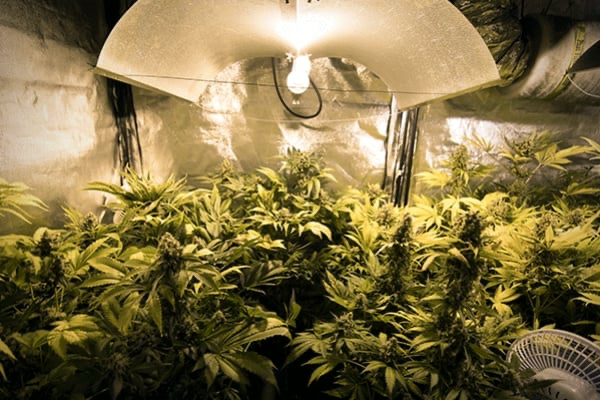
Light is one of the most critical factors when growing cannabis indoors. A good grow light is only a small part of the equation and placement of the light is very important in order to achieve the best possible results and the highest quality bud.
An ideal grow light system will provide the right light intensity and spectrum at every phase of growth for optimal vegetative growth, abundant flowering and maximum harvest.
A great grower is always looking to improve their technique and expand their knowledge base. Understanding the position of the light relative to the plant and the optimal plant to light distance are two of the most important aspects of grow light setup. Understanding these concepts and learning how to avoid common grow light mistakes will help to maximize yield and overall plant health. Welcome to our Cannabis Grow Light Essentials guide!
“Herb is the healing of a nation, alcohol is the destruction.”
Bob Marley
Why Light Setup Matters for Indoor Cannabis
Light is one of the most important elements for a healthy Cannabis plant and is essential for the process of photosynthesis and growth. Grow lights are used in an indoor growing setup to supplement the sunlight that would naturally be available outside.
A good lighting setup helps to:
• Provide consistent light coverage
• Support strong plant growth
• Increase bud production
• Reduce plant stress
• Improve overall yield quality
Improper lighting will result in elongated stems, irregularly developed foliage and lower yields.
Correct Distance Between Grow Lights and Plants
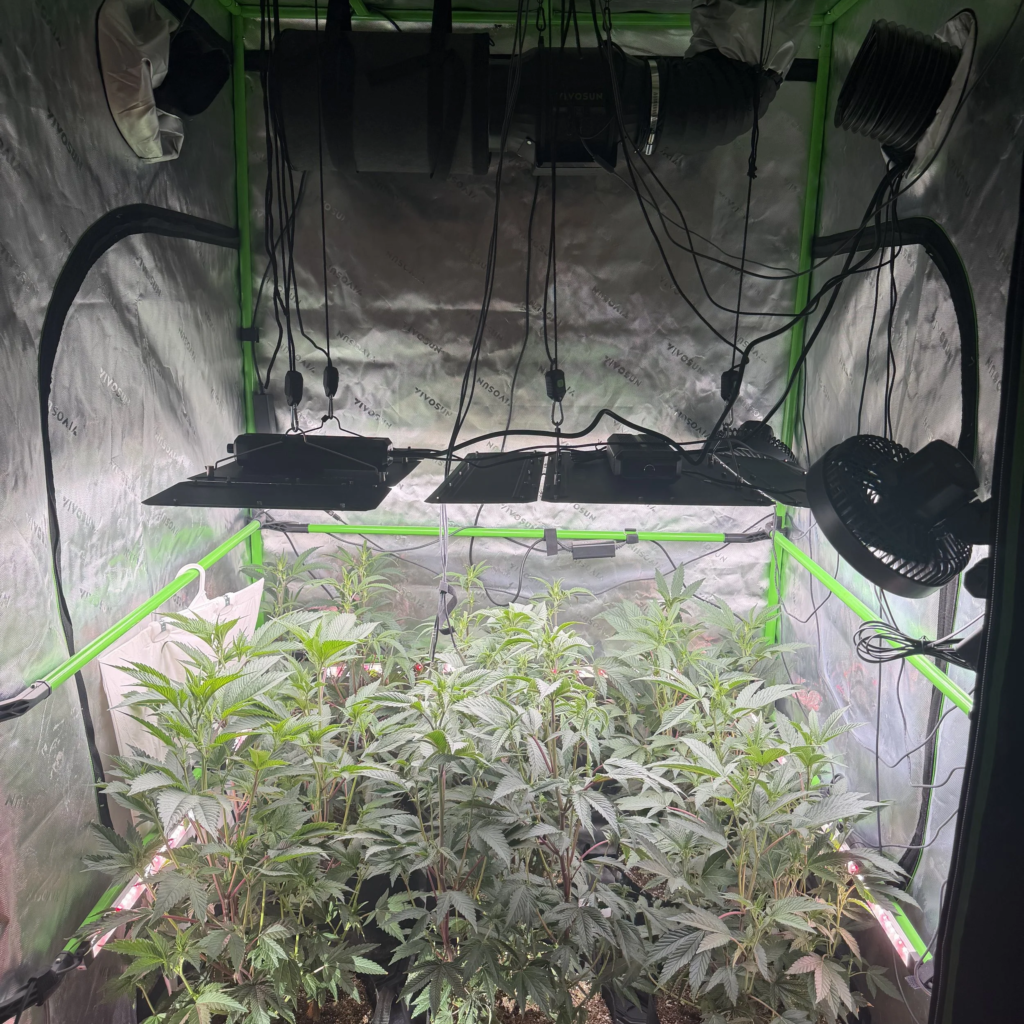
One of the most important parameters for the grow light setup for plants is the distance between the light and the plant canopy.
Too much or too close heat from lighting can easily burn out plants. Lighting that is too intense or placed too close can also generate too much heat for plants to survive. On the flip side, lighting that is too far away can cause plants to stretch and become leggy.
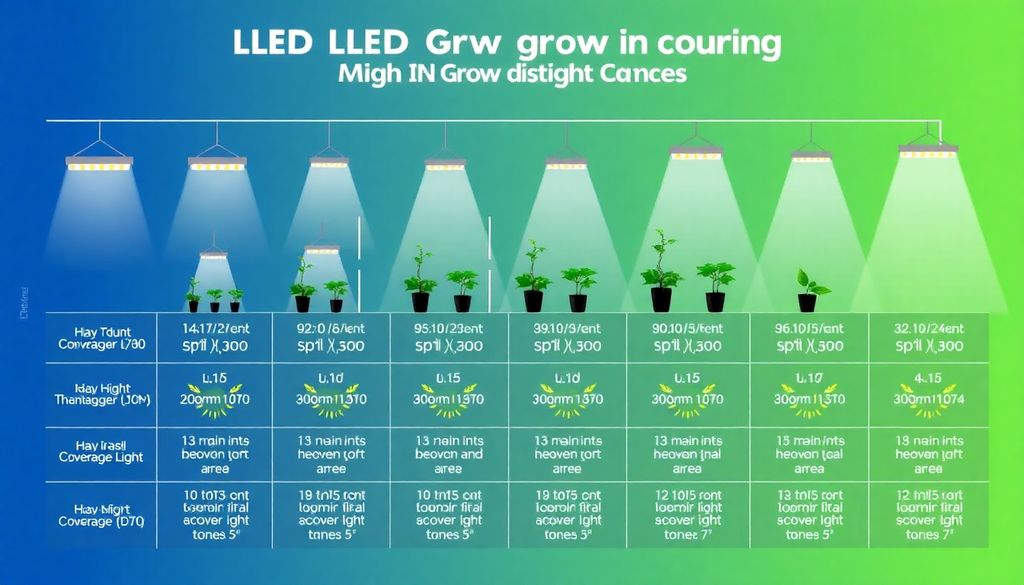
Typical distances for LED grow lights include:
• Seedling stage: 24–30 inches
• Vegetative stage: 18–24 inches
• Flowering stage: 12–18 inches
This phase of growth calls for more light. As the plant grows, more intense light is required.
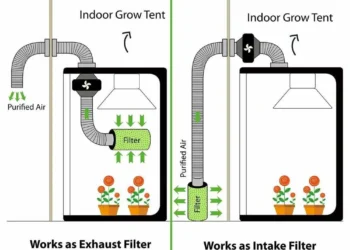
Heat from grow lights can build up quickly, so having a proper grow tent ventilation system is essential.
Choosing the Right Type of Grow Light
Several types of grow lights are commonly used for indoor cannabis cultivation.
LED Grow Lights
The most popular light used for growing plants indoors is LED. Not surprisingly, LEDs offer the best option for many growers. These lights are energy efficient, they do not create heat and they offer a broad spectrum of light for the entire growth period.
HPS Lights
By now you probably know that many growers switch to High Pressure Sodium (HPS) grow lights in the later stages of the grow cycle — specifically during the flowering stage. And you may wonder why these lamps are so popular with growers. Part of the reason is because the HPS lamps provide a powerful red spectrum that benefits the blossoming flowers.
CMH Lights
Ceramic Metal Halide (CMH) grow lights have a perfectly balanced spectrum and for this reason are a top choice among growers looking to achieve maximum yield.
Grow Weed Easy explains that maintaining the correct light distance helps prevent plant stress and improves yields.
Grow Light Distance Guide
Adicionar essa tabela após a seção Correct Distance Between Grow Lights and Plants.
| Growth Stage | LED Distance from Plants | Light Intensity |
|---|---|---|
| Seedling Stage | 24–30 inches | Low intensity |
| Vegetative Stage | 18–24 inches | Medium intensity |
| Flowering Stage | 12–18 inches | High intensity |
💡 Tip: Always monitor plant response and adjust light height accordingly.
Light Coverage and Plant Canopy
Proper light distribution across the plant canopy is essential for even growth.
An even canopy is important for giving the bud sites as uniform light as possible. Achieving an even canopy can be done by using Low Stress Training (LST) or by topping.
An unequal canopy will lead to unequal light exposure for the plants in your grow room. Some plants will be receiving too much light, while others are receiving too little.
According to Royal Queen Seeds, proper lighting intensity plays a major role in cannabis plant development.
Common Grow Light Setup Mistakes
Many beginner growers struggle with lighting setup.
Some common mistakes include:
• Placing lights too close to plants
• Using lights that are too weak for the grow space
• Poor light coverage across the canopy
• Not adjusting light height during growth stages
Avoiding these mistakes helps ensure healthy plant development and consistent yields.
A well planned grow tent setup guide can help you maintain the correct environment for indoor cannabis cultivation
Final Thoughts
by Admin Indoor cannabis grows rely on a quality grow light setup to ensure a healthy crop. Here is some basic knowledge regarding light placement and the positioning and movement of grow lights throughout the life of an indoor grow to maximize the health and yield of the crop.
Lighting, Ventilation, Nutrients & Climate Control Ensuring that you have the right lighting, ventilation, nutrients and climate control will all contribute to ensuring the best possible environment for your plants to grow in, with health, strength and potency being the desired outcomes.
What is the best light distance for cannabis plants?
Most LED grow lights should be placed between 12 and 24 inches above the canopy depending on the plant growth stage.
Can grow lights be too close to cannabis plants?
Yes. Lights placed too close can cause light burn, heat stress, and leaf damage.